ECG, NIBP and SpO2 Monitoring Systems
Students will begin by exploring the fundamental electrical and physiological principles underlying electrocardiography (ECG), non-invasive blood pressure (NIBP) measurement, and pulse oximetry (SpO2). The curriculum progresses to detailed examination of various sensor types, signal acquisition techniques, and the digital signal processing methods employed in these patient monitoring devices. Practical sessions will focus on understanding system architecture, performing calibration, verifying performance standards, and diagnosing common faults. Emphasis will be placed on systematic troubleshooting methodologies, preventative maintenance procedures, and the use of specialized test equipment to ensure accuracy and patient safety. The course culminates in an integrated approach to servicing these essential medical technologies, preparing students for real-world biomedical equipment technician roles.
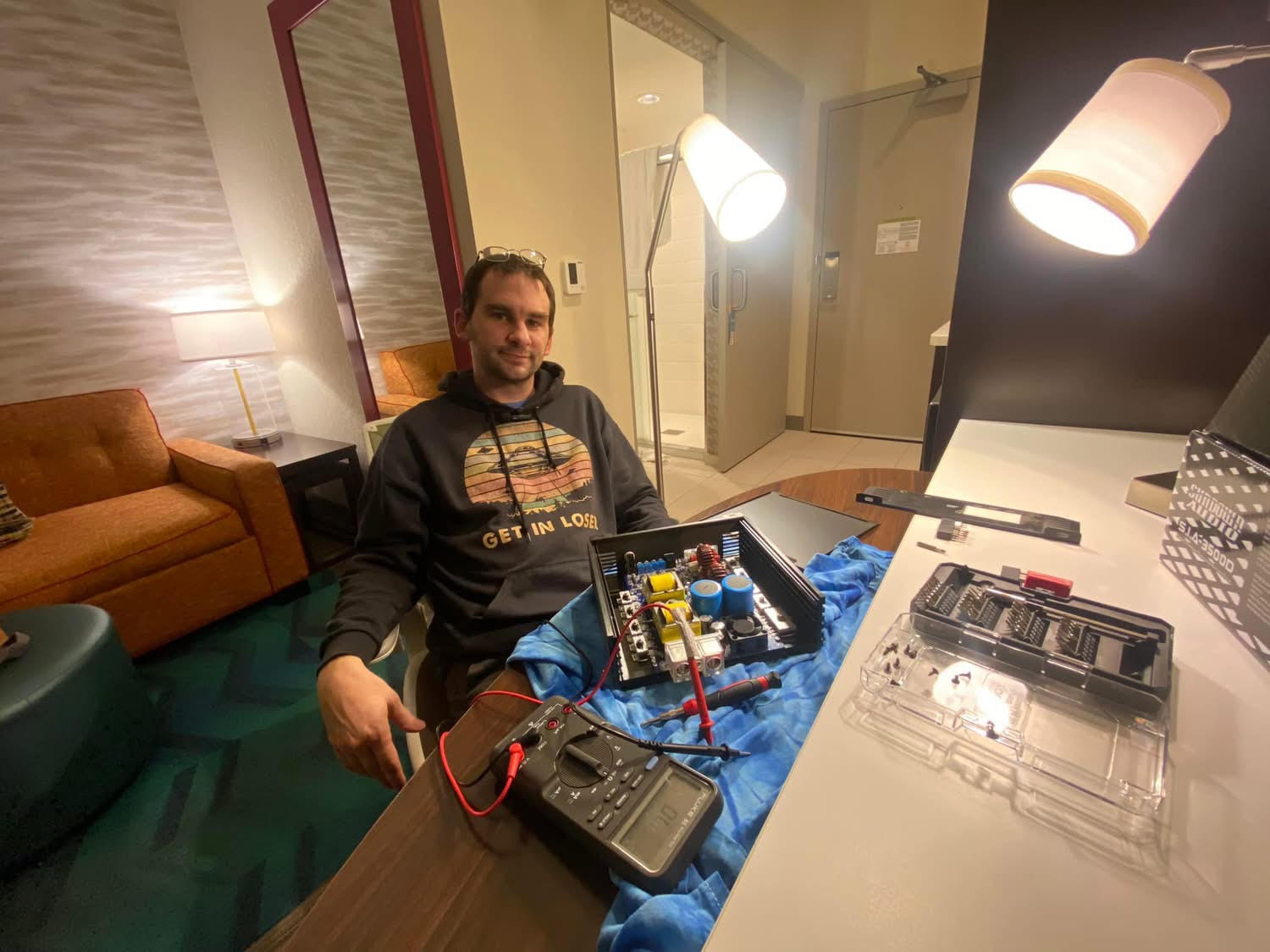 InstructorJacob Calhoun
Prerequisites
Course outline
Lectures, virtual labs, and graded assignments — completed in your browser.
Syllabus
["Week 1: Introduction to Patient Monitoring Systems and Bioelectricity Fundamentals","Week 2: Principles of Electrocardiography (ECG) and Signal Acquisition","Week 3: ECG Leads, Waveforms, and Common Artifacts","Week 4: ECG Monitoring Equipment Architecture and Components","Week 5: Non-Invasive Blood Pressure (NIBP) Measurement Techniques","Week 6: NIBP System Components, Calibration, and Performance Verification","Week 7: Principles of Pulse Oximetry (SpO2) and Photoplethysmography","Week 8: SpO2 Sensor Technology, Signal Processing, and Accuracy Considerations","Week 9: Integrated Physiological Monitoring System Interfacing and Communication","Week 10: Electrical Safety Standards and Device Classification","Week 11: Systematic Troubleshooting Methodologies for Monitoring Devices","Week 12: Preventative Maintenance Procedures and Documentation","Week 13: Use of Biomedical Test Equipment for Performance Assurance","Week 14: Case Studies, Practical Application, and Final Assessment"]